


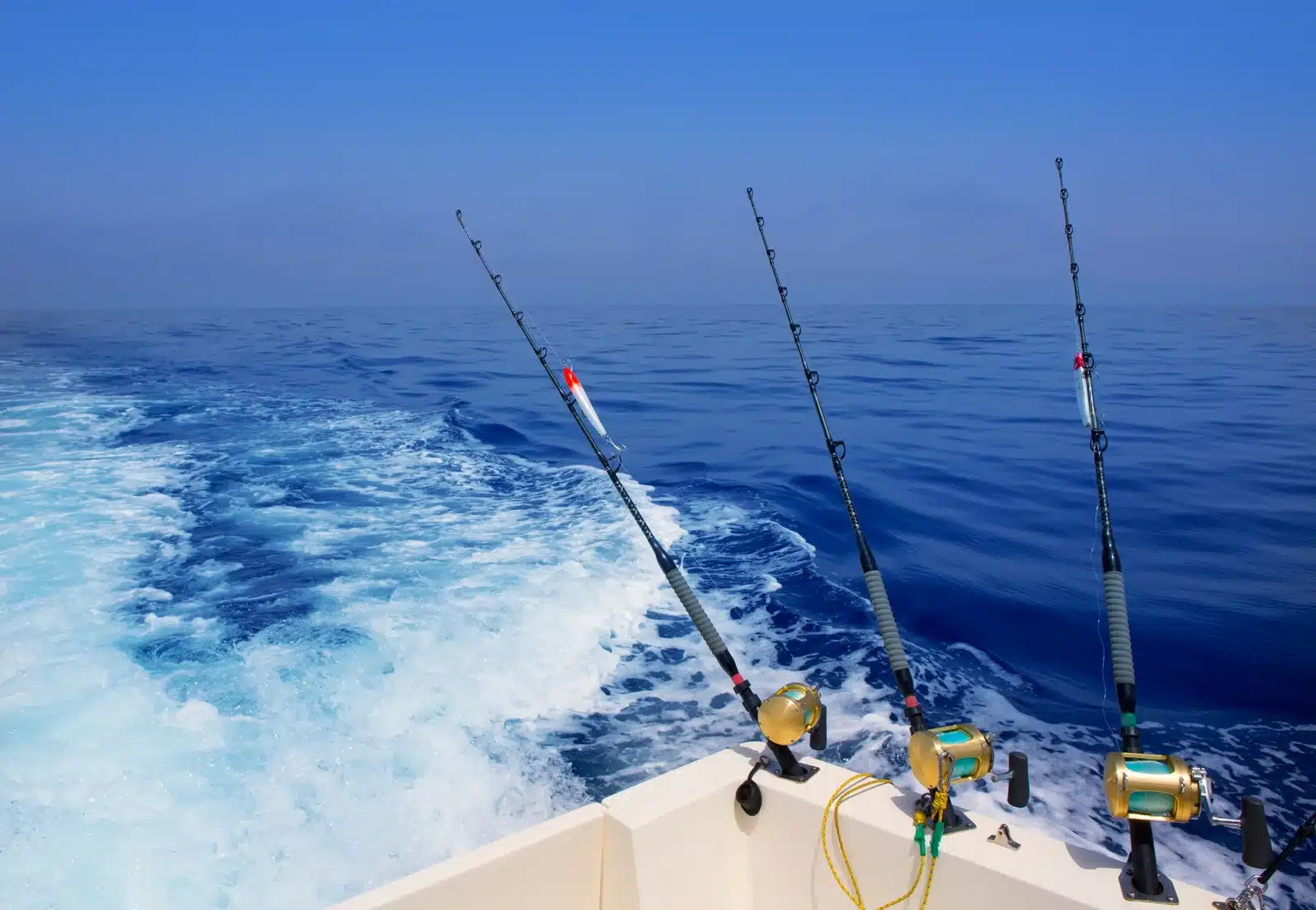
Top 5 Techniques for Catching Monster Yellowfin Tuna in the Gulf of Mexico
The Dream of the “Yellowfin Express”: Hooking a Monster in the Gulf of Mexico
It’s a sound that’s impossible to forget. The violent scream of a heavy-duty reel as hundreds of yards of line get ripped off the spool in seconds. The rod doubles over, groaning under a force that feels less like a fish and more like you’ve hooked the bumper of a freight train. Your knuckles are white, your heart is pounding in your chest, and every muscle is screaming as you dig in for the fight of your life. That’s the raw, unmatched power of a monster yellowfin tuna, and it’s the dream that keeps every serious angler coming back to the deep blue waters of the Gulf.
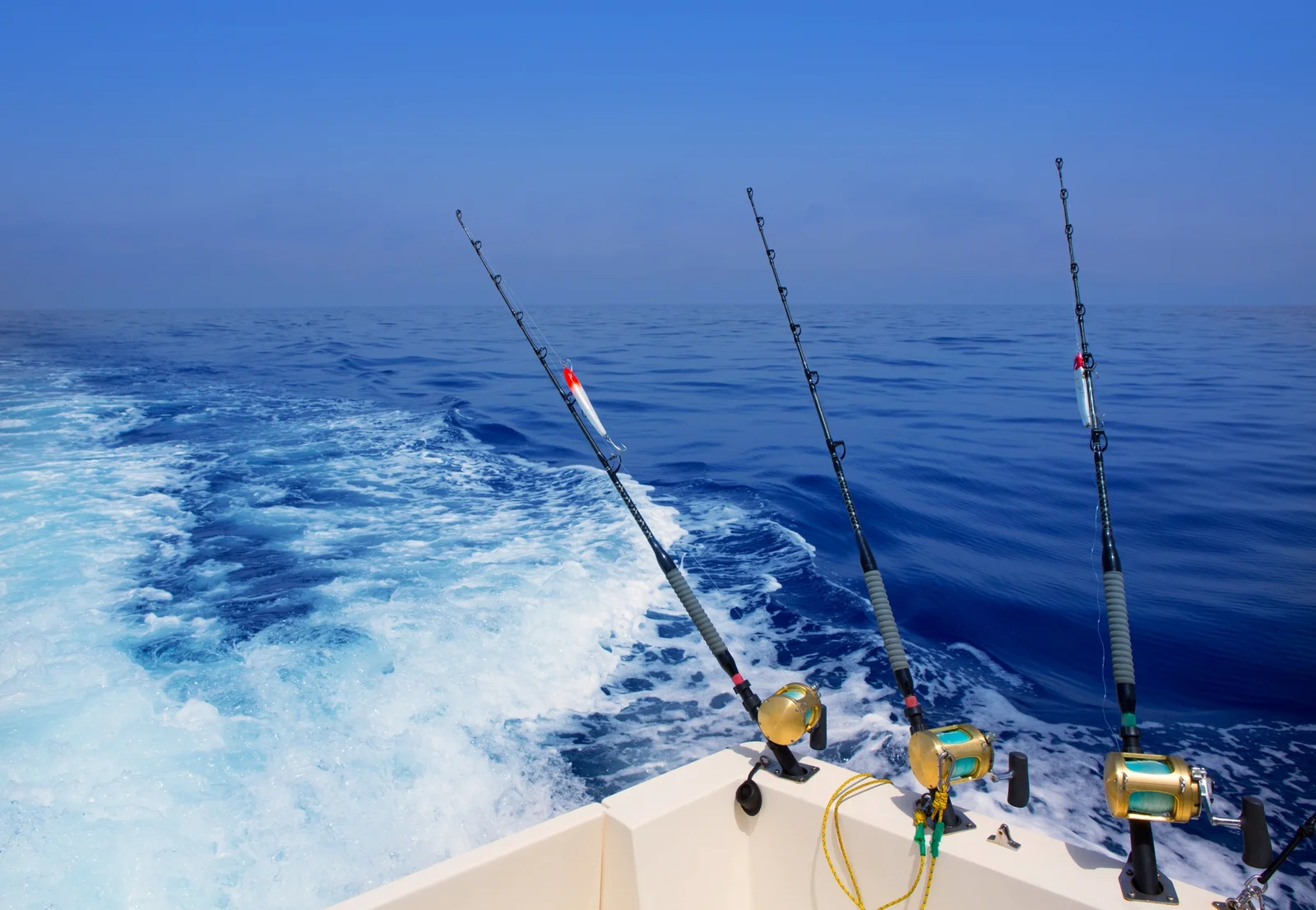
Let’s be clear: landing a true “cow” yellowfin—a fish topping the 100-pound mark—isn’t about getting lucky. It’s not a lottery ticket. It’s a brutal combination of knowledge, strategy, and being in the exact right place, at the exact right time, with a guide who plays chess while everyone else is playing checkers. Too many fishermen come down to Venice, LA, with big dreams, only to go home with sore arms and an empty fish box because they lacked that insider expertise.
After 20 years on these waters and with multiple world records caught from his boat, Captain Troy Wetzel has turned this challenge into a science. He doesn’t just hope for a bite; he manufactures opportunities. He’s sharing the top 5 techniques he uses to put his clients on the biggest fish, day in and day out, on his premier offshore fishing charters.
Key Takeaways
- Strategy Over Luck: Catching giant yellowfin tuna in the Gulf of Mexico is a game of skill, not chance. Success hinges on applying proven techniques with precision and expert knowledge.
- The Guide is the Difference-Maker: An elite captain’s value lies in their ability to adapt, read the water, and masterfully execute techniques like live baiting, topwater popping, and vertical jigging.
- Gulf of Mexico Structure is Key: The oil rigs and underwater canyons of the Gulf are legendary tuna habitats, but knowing which ones are holding fish on any given day requires years of on-the-water experience.
- Technique is a Toolbox: From the adrenaline rush of topwater popping to the deep-water ambush of vertical jigging, each method targets tuna in different scenarios, and a master captain knows which tool to use and when.
Why the Gulf of Mexico is a Yellowfin Tuna Battleground
The Gulf of Mexico, especially the nutrient-rich waters churning off the coast of Louisiana, is a world-class battleground for a reason. The Mississippi River Delta pumps an incredible amount of bait into the Gulf, creating a massive food chain with yellowfin tuna sitting near the top. This vast expanse is dotted with thousands of deep-water oil rigs—we call them “the iron”—which act as vertical ecosystems, attracting baitfish and, in turn, the monster predators that hunt them.
Add to that the deep-water canyons, underwater salt domes, and dramatic temperature breaks, and you have the perfect habitat for big tuna to thrive. But this is a huge amount of water. You can’t just drive out and start fishing. Navigating this blue wilderness successfully requires an intimate, almost instinctual knowledge of its secrets. An experienced captain like Troy doesn’t just fish the Gulf; he knows its moods, its currents, and where the giants are hiding. That’s the difference between a good day and the day you talk about for the rest of your life.
Captain Troy’s 5 Proven Techniques for Monster Yellowfin Tuna
These are the heavy hitters in our playbook. Each one is a weapon, and knowing when and how to deploy it is what separates the pros from the amateurs. This isn’t just about what to do; it’s about how we do it better.
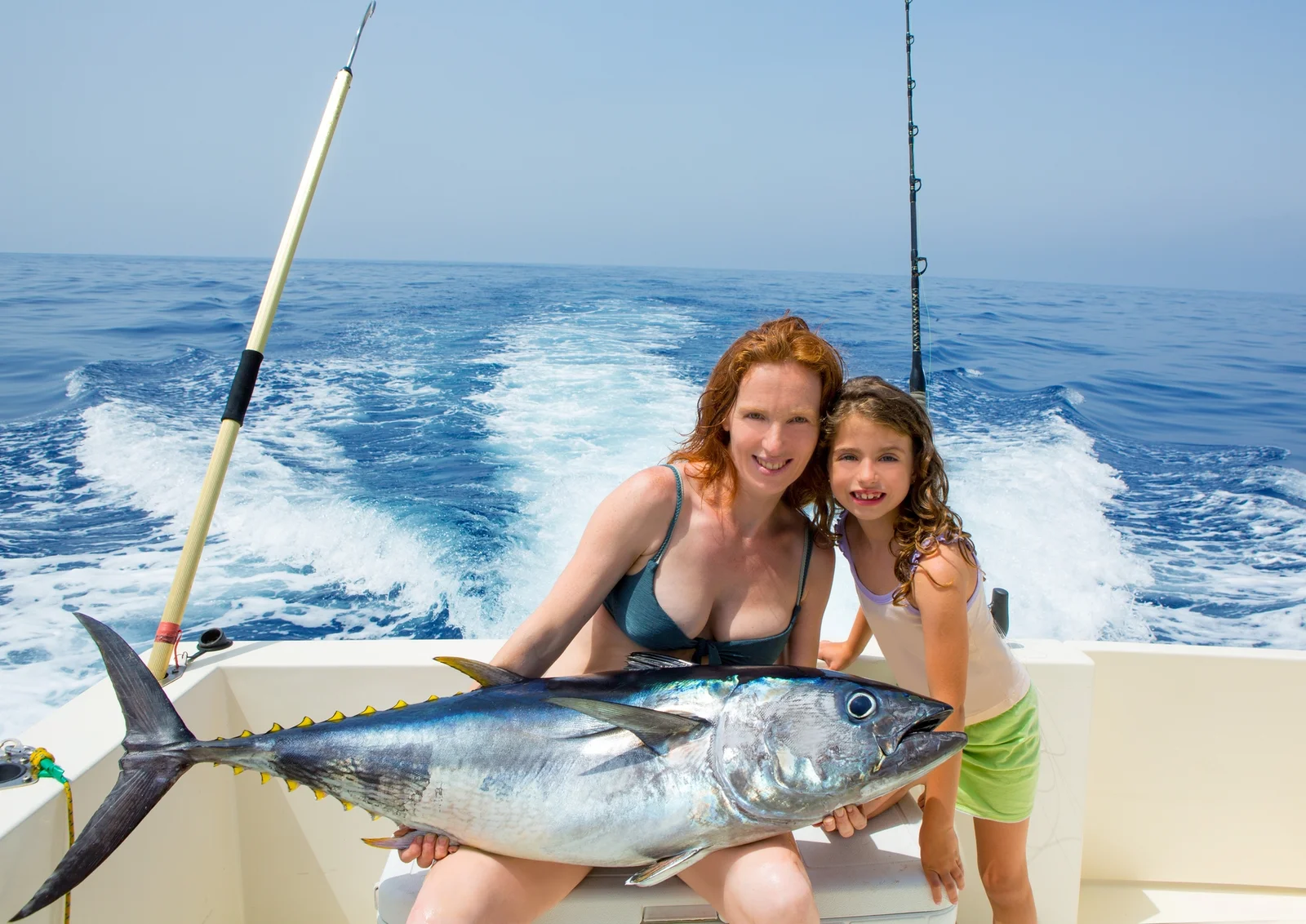
H3: Technique 1: Live Baiting – The Natural Advantage
What It Is: This is the art of presenting a live, frisky baitfish—like a hardtail, threadfin herring, or mullet—near offshore structures. The goal is to offer a meal that’s too easy and natural for a big, lazy yellowfin to pass up.
The Captain Troy Difference: Anyone can hook a live bait and toss it over the side. We turn it into a surgical strike.
- Knowing the “Right” Bait: Experience is the only teacher here. I know what the tuna are keyed in on that day, based on the season, water clarity, and what I’m seeing on the water. Using the wrong bait is like showing up to a steakhouse and offering someone a salad.
- Perfect Presentation: We bridle-rig our baits meticulously. This ensures they swim naturally and can withstand the stress of being in the water for extended periods, staying lively and attractive. A poorly rigged bait is a dead bait, and dead bait doesn’t get the big bite.
- Strategic Placement: This is the game-changer. I use the current and the rig’s structure to my advantage, positioning the boat so the bait drifts into the exact zone where the largest, most dominant tuna are holding. We’re not just fishing; we’re setting a perfect ambush.
H3: Technique 2: Topwater Popping – Triggering the Explosion
What It Is: This is the most visually spectacular way to catch a tuna. It involves casting large poppers or stickbaits on the surface and ripping them back to the boat, creating a massive commotion that mimics a fleeing baitfish. The strike is a violent, water-erupting explosion that will stop your heart.
The Captain Troy Difference: Success in the topwater game is about speed, anticipation, and precision. It’s a high-stakes, fast-paced assault.
- Anticipating the Bite: After two decades out here, I can read the birds, the water, and the bait to predict where a school of tuna will surface before it happens. We’re already moving to intercept them while other boats are still watching.
- Boat Positioning: This is a critical skill that many captains lack. I’m a master at maneuvering my 39′ Contender for the perfect casting angle without spooking the school. Get too close, and they dive. Stay too far, and you can’t reach them. It’s a dance, and we lead.
- Cadence is Key: I’ll coach you on the exact retrieve speed and popping cadence to trigger a reaction. A steady “chug-chug-pause” can be the dinner bell that calls a 150-pounder up from the depths for a fight you’ll never forget.
H3: Technique 3: Vertical Jigging – The Deep Water Ambush
What It Is: This is a physically demanding but incredibly effective technique. It involves dropping heavy, knife-like metal jigs hundreds of feet down alongside rig legs or over deep ledges and then ripping them back up with a fast, rhythmic motion to provoke a reaction strike from fish that aren’t actively feeding on the surface.
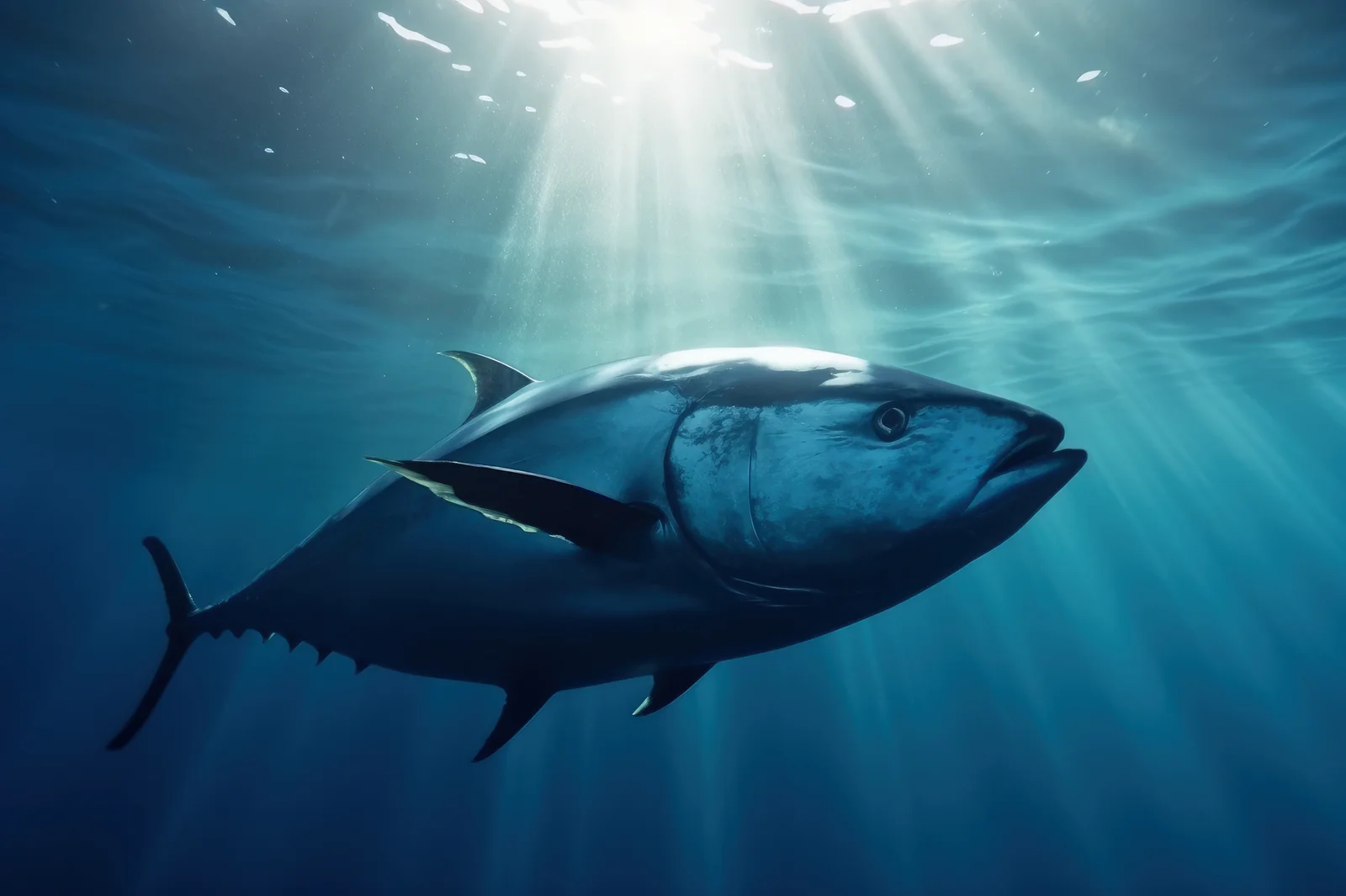
The Captain Troy Difference: This is where modern technology meets old-school grit and experience.
- Pinpoint Accuracy: I use state-of-the-art electronics to mark individual big fish holding tight to structure. We’re not just dropping a jig into the abyss and hoping; we are targeting a specific fish that we can see on the screen.
- “Reading the Machine”: A sonar screen is just a picture to most people. To me, it tells a story. I can see a fish’s mood by the way it’s positioned and how it reacts to the boat. I know the precise jigging action—the speed, the flutter, the pause—required to make that specific mark turn and bite. That’s a skill that can’t be taught in a seminar; it’s earned over thousands of hours staring at a screen.
H3: Technique 4: Chunking – Ringing the Dinner Bell
What It Is: Chunking is a methodical process of setting up a drift up-current from a promising spot and dropping cut pieces of bait (chunks) into the water at a steady interval. This creates a long scent trail, a chum slick, that draws tuna up from the depths and leads them right to your hooked baits.
The Captain Troy Difference: Creating a successful chunk slick is an art form that requires immense patience and a deep understanding of the ocean’s dynamics.
- Mastering the Current: I analyze the wind and current to create a perfect, miles-long scent trail that acts like a highway leading directly to our boat. A miscalculation of even a few degrees can send your entire slick into dead water.
- Patience and Precision: The rhythm of chunking is everything. I know the exact rate to deploy chunks to get the tuna into a feeding frenzy without overfeeding them. The goal is to get them excited and competitive, so when they see your hooked bait, they attack it without hesitation. It’s a game of patience where my experience pays off every time.
H3: Technique 5: Trolling – Covering Water for Giants
What It Is: This is a classic offshore technique of pulling a spread of artificial lures or rigged natural baits (like ballyhoo) behind the boat at a specific speed. It’s an effective way to cover vast areas of water to locate actively feeding fish.
The Captain Troy Difference: Anybody can drag a lure through the water. We build a record-breaking trolling spread designed for one thing: attracting the largest class of yellowfin.
- The “Secret” Spread: I have spent years perfecting lure combinations, colors, and positions within the spread. Each lure has a job, from the short corner to the “shotgun” position way back. This isn’t a random assortment; it’s a carefully orchestrated presentation proven to trigger strikes from the biggest, wariest tuna.
- Targeting Temperature Breaks: Before we even leave the dock, I’m studying satellite imagery to find subtle temperature breaks and current rips where baitfish get concentrated. These “edges” are hunting grounds for monster tuna. We don’t just troll aimlessly; we patrol these edges with surgical precision, putting our proven spread right in the kill zone.
It’s Not Just the Technique, It’s the Mission
Look, these techniques are just tools in the toolbox. The real secret is the craftsman wielding them. A hammer in my hand is different from a hammer in a rookie’s hand. With over 20 years dedicated to the waters of the Gulf of Mexico, I’m not guessing. I’m executing a plan built on thousands of successful trips and a few world records.
My goal on every charter is simple, and it aligns perfectly with yours: catch the most fish and the largest fish. Period. I played football at Tulane, and that competitive fire never leaves you. I want to win every single day we’re on the water. I love what I do, and my passion is putting you on a record-breaking monster yellowfin tuna. We run top-of-the-line, tournament-grade tackle, ensuring that when you hook that fish of a lifetime, you have the absolute best equipment in your hands to win the battle.
Your Gulf of Mexico Monster is Waiting – Stop Dreaming and Start Fishing
You can spend years and thousands of dollars trying to figure out the complex puzzle of catching monster yellowfin tuna. Or you can book a trip with a captain who has already solved it.
Ready to feel the unstoppable power of a Gulf of Mexico yellowfin at the end of your line? I’ve got the boat, the gear, and the world-record-holding expertise to make it happen. Spaces are limited, especially during the peak tuna season. The time to act is now. Let’s go get ’em.
Book Your Unforgettable Tuna Fishing Charter Today!