


Tuna Charter Checklist: What to Pack for Your Offshore Louisiana Fishing Trip
The air is thick and salty before the sun even thinks about showing up. You can feel the low rumble of the engines, a promise of the power that’s about to push you out into the deep, dark waters of the Gulf of Mexico. This is it. This is the day you go to war with a Yellowfin Tuna, a battle of will and strength in the fishing capital of the world. But as the excitement builds, a nagging thought creeps in: “What did I forget?”
Don’t let that question ruin your trip. Being unprepared is the fastest way to get distracted from the only thing that matters out here—putting fish on the deck.
My name is Captain Troy Wetzel. I’ve spent more than 20 years out here, chasing and landing the biggest fish these waters have to offer. With multiple state and world records under my belt, I can tell you one thing for sure: a successful trip starts long before you leave the dock. This isn’t just some checklist I threw together. This is a blueprint for success, a battle plan refined over thousands of trips hunting monsters in the Gulf. Pay attention, pack right, and get ready for a record-breaking day.
Key Takeaways
- Trust the Captain’s Gear: I provide all the tournament-grade rods, reels, tackle, bait, and safety equipment. It’s the same gear I use to set records, so leave your heavy tackle at home.
- Dress for Battle, Not the Beach: Your apparel is your armor. Prioritize UPF 50+ long-sleeved performance shirts, non-skid/non-marking shoes, and a quality rain jacket. The weather offshore is unforgiving.
- See the Fish, Beat the Sun: Polarized sunglasses are non-negotiable. They cut the glare, letting you spot fish and saving your eyes. Combine them with a wide-brimmed hat and waterproof sunscreen.
- Fuel Your Fight: Pack more food and water than you think you’ll need. A long day of fighting fish is physically demanding. Dehydration and hunger will take you out of the game fast.
- Conquer Seasickness Before it Starts: If you’re even slightly prone to motion sickness, take medication the night before your trip and again in the morning. Don’t wait until you feel sick—by then, it’s too late.
The Foundation: What I Provide (So You Don’t Have To)
First things first, let’s get one thing straight. When you book one of my offshore fishing charters, you’re not just renting a boat; you’re stepping into a world-class fishing operation. My goal is to catch the most fish and the largest fish, period. To do that, I eliminate all the variables. That starts with the gear.
Tournament-Grade Rods, Reels, & Tackle
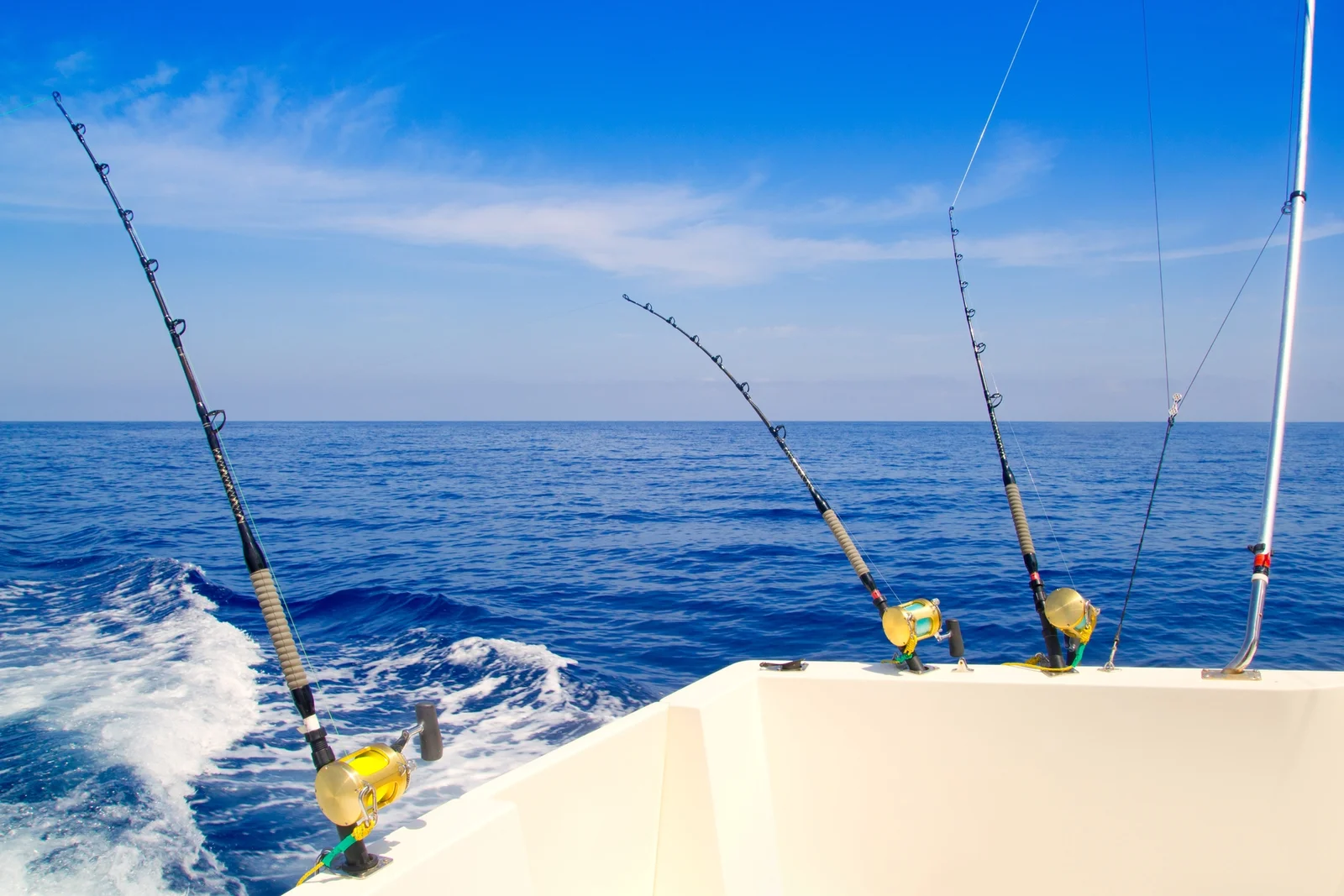
You’re not getting cheap rental gear. You’re using the exact same meticulously maintained, top-of-the-line equipment I use to win tournaments and set records. Every piece of reels, lines, lures, & baits is chosen specifically for its ability to stand up to the brute force of a monster Louisiana tuna.
All Necessary Bait & Lures
Forget guessing what’s on the menu. I’m on this water every day. I know what the fish are biting on right now. You get the benefit of my daily experience, ensuring we’re throwing exactly what these giants want to eat. We’re here to capitalize on the incredible abundance of bait in the Gulf.
Ice, Coolers, and Fish Storage Onboard
When you land that trophy, it will be cared for properly from the second it hits the deck of my 39′ Contender offshore fishing boat. We have more than enough ice and cooler space to keep your catch in prime condition until we get back to the dock.
All USCG-Required Safety Equipment
Your safety is my top priority. My vessel is fully equipped with all necessary USCG-required safety gear, from life jackets to emergency beacons. We take this seriously so you can focus on the fishing.
Louisiana Charter Fishing Licenses
You don’t need to worry about the specific charter passenger license required for our trip; that’s covered when you fish with me. (Note: You are still required to have your own basic Louisiana fishing license, so make sure that’s squared away before you arrive).
Your Personal Gear Checklist: The Essentials for Battle
Now for your part. What you bring can make or break your comfort and performance. This isn’t a fashion show; it’s about function.
Performance Apparel for the Gulf Coast Elements
- Lightweight, Long-Sleeved Performance Shirt: The sun out on the Gulf is relentless. A shirt with a UPF 50+ rating is your first line of defense. Moisture-wicking fabric will keep you cool when the sweat starts pouring during a tough fight. Stay cool, stay protected, and stay focused on the fight.
- Quick-Dry Shorts or Fishing Pants: You’re going to get wet from spray, rain, or fish slime. Cotton stays wet, gets heavy, and makes you miserable. Quick-dry synthetics are the only way to go.
- Non-Skid, Non-Marking Shoes: This is a critical safety item. A boat deck gets wet and slippery. You need shoes with a siped, non-skid sole that will grip. The “non-marking” part is about respecting the vessel—black-soled boots leave scuff marks that are a nightmare to clean.
- Light Rain Jacket/Windbreaker: The weather can turn in an instant offshore. A squall can pop up out of nowhere. Having a lightweight, waterproof jacket means you stay in the game instead of shivering in the cabin.
Sun & Glare Protection: See the Fish, Not the Sun
- Polarized Sunglasses (Amber or Gray Lens): This is the single most important piece of personal gear you can bring. It’s not just about comfort; it’s a tool. Polarized lenses cut the intense glare off the water, reducing eye fatigue and, most importantly, allowing you to spot fish, weed lines, and bait balls beneath the surface. This is one of the keys to navigating nature’s fish finder.
- Wide-Brimmed Hat or Ball Cap: Keep the sun off your face, neck, and ears. A wide-brimmed hat offers more coverage, but a trusty ball cap works too.
- Sunscreen (SPF 30+): Get a waterproof, sport-style lotion, not the oily spray stuff that makes everything slick. Apply it before you even leave the dock and reapply it every couple of hours. The reflection off the water will burn you in places you didn’t know you had.
- Sun Gaiter/Buff: This is a versatile piece of gear. You can wear it around your neck for protection or pull it up over your face, nose, and ears when the sun is beating down.
Comfort & Sustenance: Fueling Your Fishing Trip
An offshore tuna fishing charter is a marathon, not a sprint. It’s a physically demanding day, and you need to fuel your body like an athlete.
Food and Drinks
- Your Food/Snacks: Pack more than you think you’ll need. Adrenaline, sun, and salt air burn a lot of calories. Easy-to-eat items are best. Think sandwiches, wraps, protein bars, and trail mix. Avoid anything messy or that requires a lot of prep, like fried chicken.
- Your Drinks: Hydration is critical. Dehydration leads to fatigue, headaches, and bad decisions. Bring plenty of water and sports drinks with electrolytes. Alcohol is permitted in moderation (cans are much preferred over glass), but remember that it dehydrates you. Don’t let a few beers end your trip early.
Seasickness Prevention (A Proactive Approach)
Listen to me on this one. Don’t let seasickness rob you of a fish of a lifetime. It can take down the toughest guys I know. The key is to be proactive, not reactive.
- Medication: Start your preferred medication (like Dramamine or Bonine) the night before the trip. This allows it to get into your system. Take another dose in the morning before we leave.
- The Patch: The Scopolamine Patch (requires a prescription) is another highly effective option for many people.
- Natural Remedies: Some anglers have luck with ginger capsules or acupressure wristbands.
- The Morning Of: Avoid greasy, heavy foods for breakfast. Stay out in the fresh air on the boat and keep your eyes on the horizon.
The “Pro-Angler” Pack: Optional but Highly Recommended
Want to go from client to pro? These are the items that seasoned anglers never leave behind.
Capturing the Memory
- Camera/Smartphone in a Waterproof Case: You’re going to want high-quality photos of what it feels like to catch a Yellowfin Tuna. Protect your device in a waterproof case or a simple Ziploc bag.
- Small Dry Bag: A small dry bag is perfect for keeping your phone, wallet, keys, and other valuables safe and dry from the inevitable spray and fish slime.
Personal Comfort
- Hand Towel: A small towel is incredibly useful for wiping your hands after handling bait, landing a fish, or washing up before you eat a sandwich.
- Any Personal Medications: If you have any personal medications (allergy meds, Tylenol/Advil, etc.), bring them in a labeled bag.
- A Positive, Ready-to-Fish Attitude: This is the most important thing. I bring the passion, the decades of expertise, and the relentless drive to find the fish. You bring the excitement and the readiness to do battle.
What to Leave on the Dock
Just as important as what to bring is what not to bring. Bringing the wrong stuff just gets in the way and can create safety issues.
- Hard-Sided Coolers: We have all the cooler space you need for your catch on board. Please only bring a small, soft-sided cooler for your personal food and drinks. Large, hard coolers just take up valuable deck space.
- Black-Soled Shoes: As mentioned before, they leave ugly black scuff marks all over the deck. Please wear non-marking soles.
- Glass Bottles: A safety hazard on a moving boat. Cans only, please.
- Bananas: Call it a superstition, call it whatever you want. But it’s a classic fishing rule: no bananas on the boat. Just trust me on this one.
- Your Own Heavy Tackle: I have the best gear for the job, dialed in for these waters and these fish. Trust my equipment. It’s what I use to put world-record fish in the boat.
You’re Packed. You’re Prepared. You’re Ready to Fish with a Legend.
This checklist isn’t about rules; it’s about removing distractions. It’s about setting you up for success so when that 150-pound Yellowfin explodes on a bait and the reel starts screaming, your only focus is on the fight.
Packing the right gear sets the stage, but the captain makes the difference. My goal for every single charter is to catch the most fish and the largest fish. My records aren’t just history; they’re the standard I bring to your trip. I love what I do, and it shows. I will work harder than anyone to put you on the fish of a lifetime.
Ready to put this checklist to use and create a fishing story you’ll tell for years? The bite is on, but my calendar fills up fast.